Kiwi Spotting in New Zealand
Kiwi spotting in New Zealand, region by region: Stewart Island, Tāwharanui near Auckland, Rotorua's hatchery, Zealandia in Wellington, Queenstown and Ōkārito (Oct 2026).
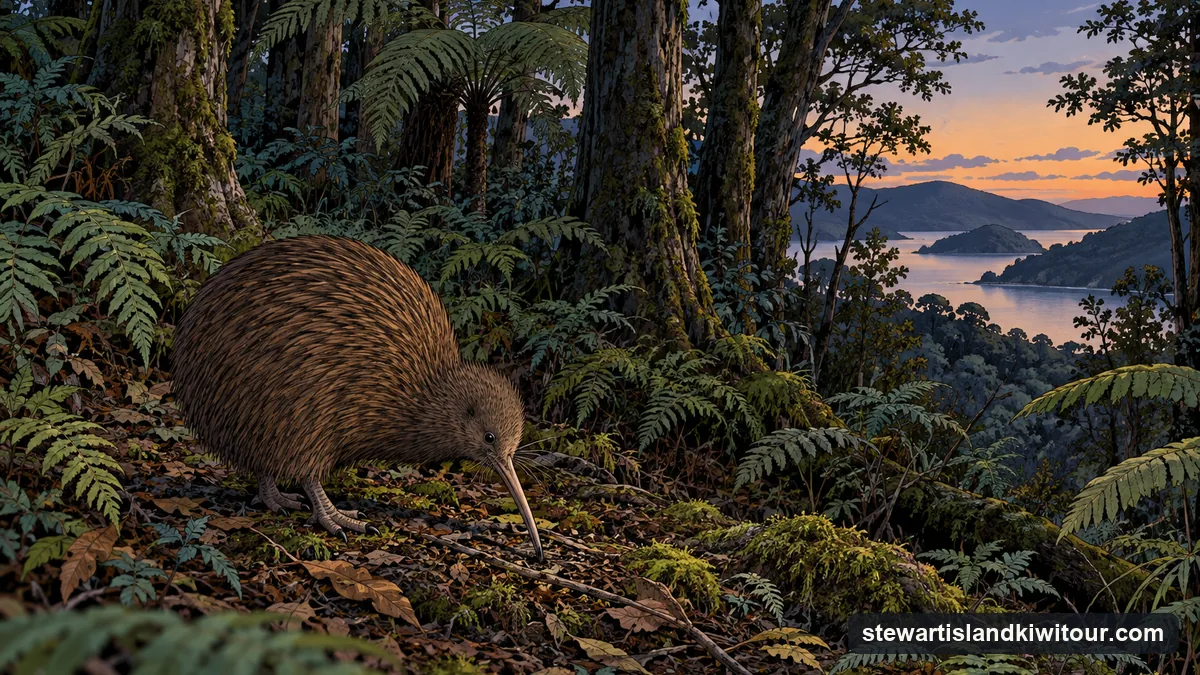
For a wild kiwi in its own habitat, Stewart Island is the strongest bet in New Zealand; for a wild kiwi within reach of a city, Tāwharanui north of Auckland and Zealandia in Wellington; and for a guaranteed look, a nocturnal house such as Rotorua’s National Kiwi Hatchery or Queenstown’s Kiwi Park. DOC calls Stewart Island perhaps the best opportunity anywhere in New Zealand for viewing kiwi in the wild, and RealNZ’s guided evening there is from US$152 a person (checked October 2026), October to April.
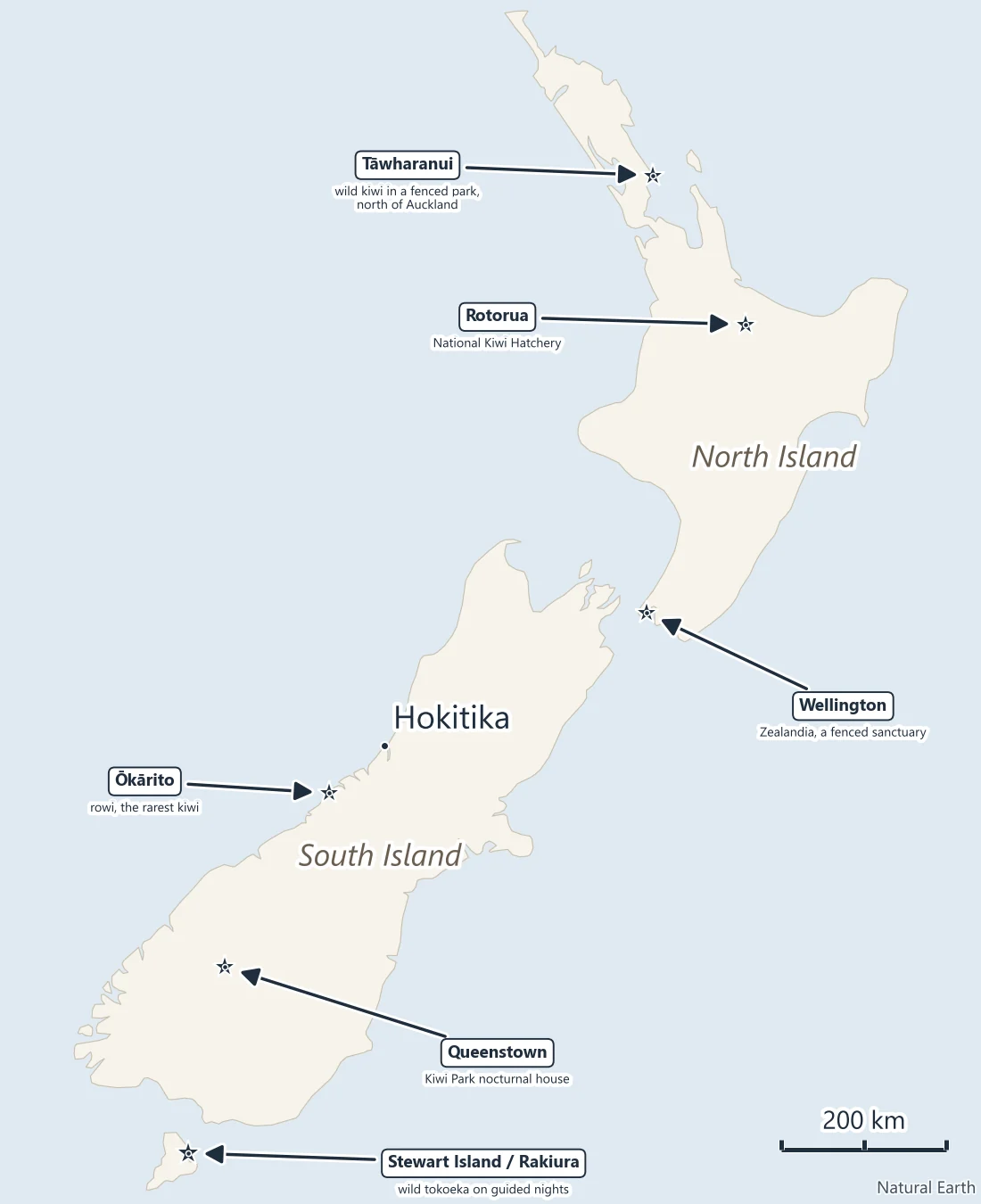
The options at a glance
| Region | Where | What you see | Bookable here |
|---|---|---|---|
| Stewart Island | Oban, Little Glory Cove, Oneke | Wild Rakiura tokoeka on a guided night | Rakiura Wild Kiwi Experiences (RealNZ), from US$152 |
| Auckland | Tāwharanui Regional Park | Wild North Island brown kiwi inside a fenced park | Wild Kiwi Bird Spotting Encounter (Social Nature Movement), from US$62 |
| Rotorua | National Kiwi Hatchery | Eggs and chicks in season, adult kiwi in a nocturnal house | Kiwi Encounter Tour (National Kiwi Hatchery), from US$45 |
| Wellington | Zealandia | Wild kiwi in a fenced valley, on the sanctuary’s own night tour | Zealandia by Day (Zealandia), from US$39; the night tour is sold by Zealandia |
| Queenstown | Kiwi Park | Kiwi in a nocturnal house | Kiwi Park Admission Ticket (Kiwi Birdlife Park), from US$38 |
| West Coast | Ōkārito, Hokitika | Rowi habitat by day; kiwi in a nocturnal house at Hokitika | Kayak and Walk to the Okarito Kiwi Sanctuary (Franz Josef Wilderness Tours), from US$101; National Kiwi Centre Tickets, from US$22 |
Prices from GetYourGuide, checked October 2026; operators change them, so treat them as a guide, not a quote.
Stewart Island / Rakiura
The island’s kiwi are Rakiura tokoeka, a form of southern brown kiwi that DOC describes as unusual among kiwi for being active by day as well as at night, living in family groups. RealNZ’s evening walk leaves Oban by boat before nightfall and searches coastal forest and a beach by torchlight, for ages 15 and up, October to April, about four hours. Getting there takes a ferry from Bluff or a flight from Invercargill, and the boat comes back late, so it means at least one night on the island. Kiwi spotting on Stewart Island has the details and the odds.
Check dates for the Stewart Island kiwi night →
Can't Make These Dates?
Browse More Available Options
Find a tour that fits your schedule. Dates and cancellation terms are on each listing.
Auckland: Tāwharanui
Tāwharanui Regional Park, on a peninsula north of Auckland, is an open sanctuary: a farm park with a predator-proof fence across the peninsula, which Auckland Council’s park map puts at 2.5 km, coast to coast, and public access through automatic gates. Its kiwi are North Island brown kiwi. Social Nature Movement’s guided night walk meets at the Anchor Bay car park at the end of Takatu Road and takes 2 to 3 hours, with transport from the city and a glamping stay as options; it is from US$62 a person (checked October 2026). It is the nearest wild kiwi to Auckland that you can book, and tawharanuikiwitour.com’s guide to where to see kiwi near Auckland covers the park, the walk and the season in depth.
Rotorua: the National Kiwi Hatchery
The National Kiwi Hatchery in Rotorua, where visits check in at the Agrodome, calls itself the largest and most successful kiwi hatchery in the world. Its Kiwi Encounter Tour is a one-hour guided visit through the working facility, with a shuttle from the Agrodome check-in, kiwi eggs and chicks in the hatching season (typically September to March) and adult kiwi in a nocturnal house all year; no children under 5, and no photography inside. The hatchery says to allow up to 1 hour 30 minutes, including the transport from the Agrodome. It is from US$45 a person (checked October 2026). If you are in Rotorua for an evening of Māori culture as well, maoriculturalexperience.com compares Rotorua’s cultural evenings.
Wellington: Zealandia
Zealandia Te Māra a Tāne is a fenced, predator-free ecosanctuary about 10 minutes from central Wellington. The kiwi there live wild in the valley, so seeing one is a night-time thing: Zealandia’s own night tour runs nightly from around dusk, 2.5 hours, at most 12 people, minimum age 12, and the sanctuary says kiwi are seen on most tours but not guaranteed (Zealandia, October 2026). That tour is booked with Zealandia directly. The daytime guided walk is sold here: Zealandia by Day, 2 hours in a group of up to 12, with takahē, kākā and tūī rather than kiwi, from US$39 a person (checked October 2026).
Queenstown: Kiwi Park
Kiwi Park, in central Queenstown, is a family-run wildlife park with a nocturnal kiwi house, kiwi encounter talks through the day and a conservation show. From October to April it opens 9:30 to 18:30 (last entry 17:45); no photography in the kiwi house. A ticket is from US$38 a person (checked October 2026). This is the place to see a kiwi with children or with only an hour to spare. If you are heading south from Queenstown anyway, Stewart Island from Queenstown puts the far south into the same trip.
The West Coast: Ōkārito and Hokitika
Ōkārito is home to the rowi, which DOC calls the rarest of the five kiwi species: one natural population of more than 600 birds in the Ōkārito forest and around it, in a kiwi sanctuary since 2000. Franz Josef Wilderness Tours’ kayak and walking tour crosses Lake Mapourika by kayak and walks a private rainforest trail inside the Okarito Kiwi Sanctuary by day, about 4 hours, from US$101 a person (checked October 2026); it is a rainforest trip in rowi country rather than a kiwi sighting. In Hokitika, the National Kiwi Centre has a nocturnal house with southern brown kiwi, and giant eels fed at 10:00, 12:00 and 15:00, from US$22 a person (checked October 2026).
Which one, then?
If seeing a kiwi living wild matters more than anything, go to Stewart Island in the October to April season and give it a night. If your trip stays in the north, Tāwharanui or Zealandia’s night tour gets you a wild bird within reach of a city. If you have children under 12, or one free hour, a nocturnal house is the honest answer. Where to see kiwi in the wild weighs the three kinds of experience against each other.
See the Stewart Island calendar →
Prices, ratings, lengths, meeting points and inclusions are from the GetYourGuide listings, read in US dollars on 30 October 2026. Stewart Island’s kiwi from DOC’s tokoeka and Rakiura National Park pages and RealNZ’s encounters page; Tāwharanui’s fence and gates from Auckland Council’s park map; the hatchery from the National Kiwi Hatchery’s own site and its listing; Zealandia’s night tour from Zealandia’s site; Kiwi Park from its site and listing; the National Kiwi Centre’s kiwi from its own site; the rowi from DOC’s rowi page. All read in October 2026.
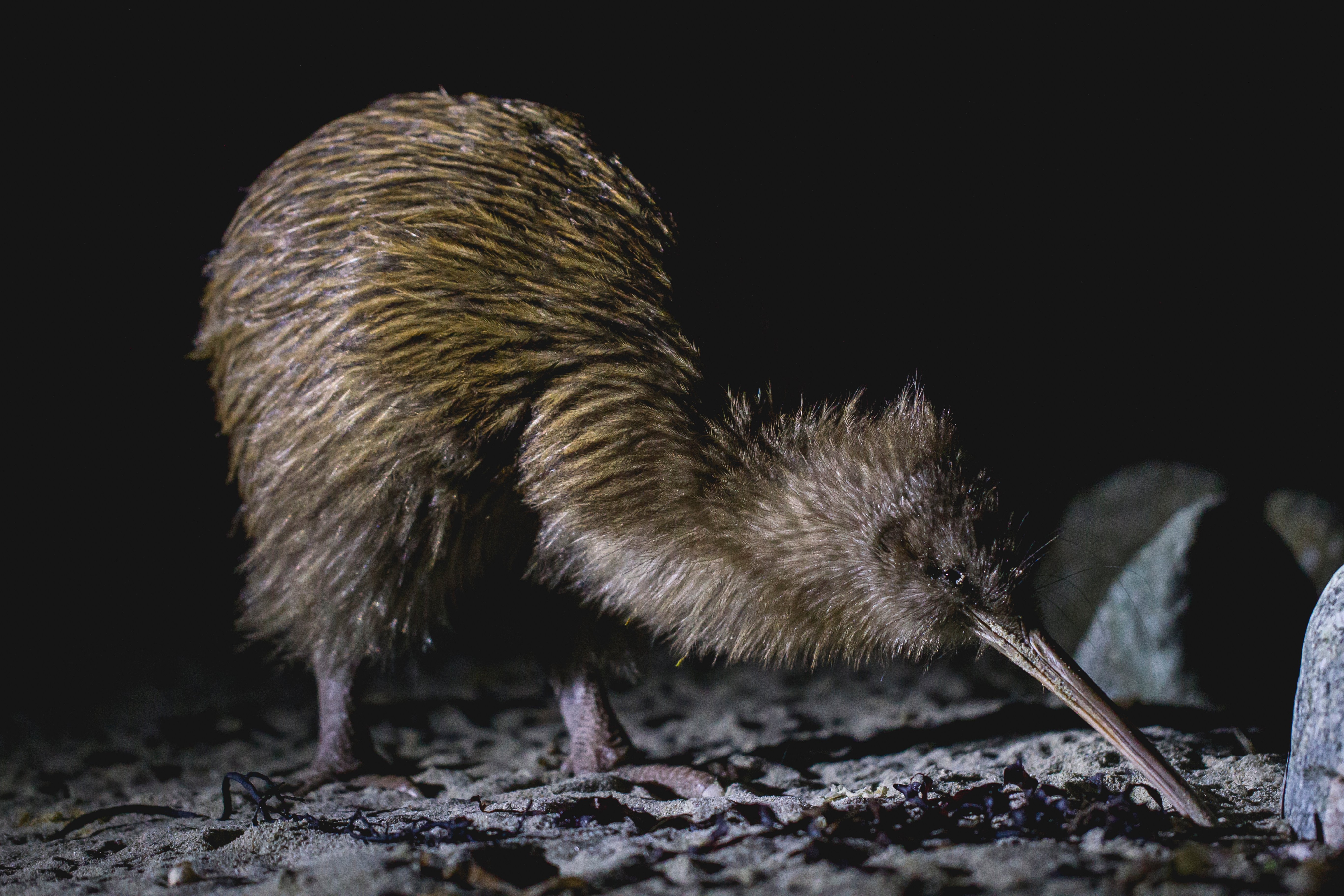
The Wild Kiwi Night on Stewart Island
RealNZ's guided evening walk from Oban for wild Rakiura tokoeka: a boat at dusk, about four hours, groups of up to 10, October to April. Ages 15 and up; book a bed on the island. Free cancellation up to 24 hours before, as listed in October 2026.
Check Dates